Introduction
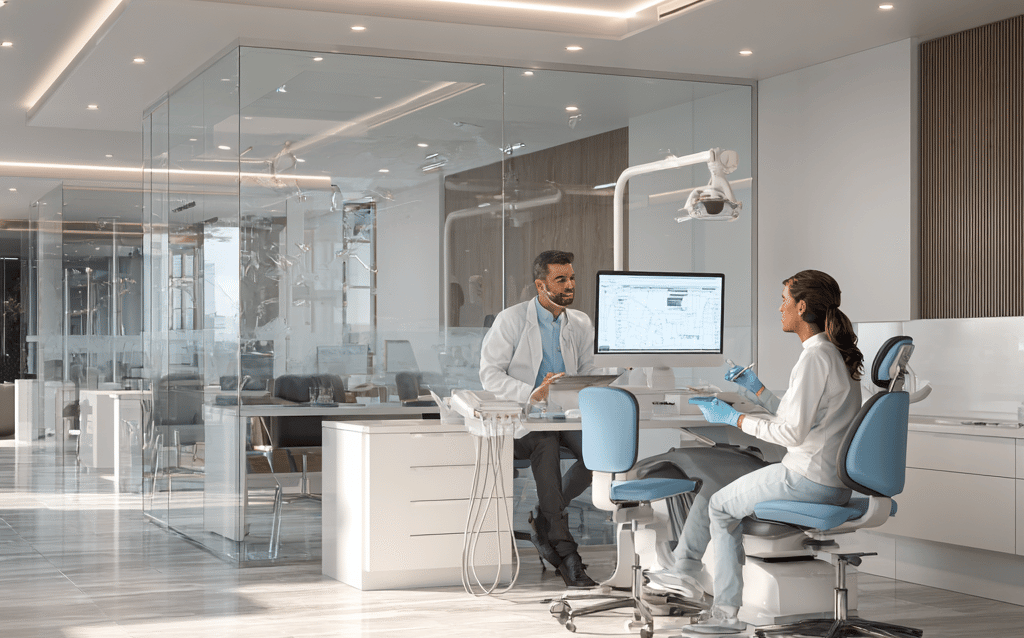
Running a successful dental practice today is no small feat. Dentists and dental specialists face numerous challenges, from managing patient appointments to responding to inquiries in real-time. If you’re a dental professional or a small business owner, you likely understand the pressure of juggling multiple tasks efficiently. This is where dental automation tools come into play, offering AI-driven solutions that streamline operations and enhance patient experiences. In this blog, we will explore how these tools can revolutionize your practice, making it easier to manage workflows and improve patient satisfaction.
Understanding Fixed vs. Expression Data in Automation Workflows
One of the first concepts to grasp when integrating dental automation tools is the difference between fixed and expression data. Fixed data refers to the static information in your systems that doesn’t change often, such as a patient’s name or dental record. In contrast, expression data includes dynamic inputs that fluctuate, like appointment times or patient queries. Understanding how to balance these two types of data is crucial for creating efficient workflows.
- Fixed data can serve as building blocks for automation, ensuring consistency in repetitive tasks.
- Expression data allows for flexibility; it adapts to the unique needs of each patient and situation.
With a strong foundation in managing both data types, your practice will be well-positioned to implement comprehensive automation strategies that work seamlessly together.
Utilizing Web Hooks and HTTP Requests for Seamless Integration
For small business owners, understanding how to leverage web hooks and HTTP requests can be a game-changer. These tools allow your dental practice’s various software systems to communicate with one another, ensuring that appointment data, patient reminders, and marketing communications flow without issues. For instance, by setting up web hooks, you can automatically trigger responses based on specific patient actions, such as confirming an appointment or even providing dental recalls.
This can significantly enhance the patient experience, positioning your practice as responsive and caring. By using tools such as LucraLab’s automation platform, integration can be as easy as a few clicks, saving you valuable time.
Effective Error Handling and Data Management Techniques
Error handling is another important aspect of utilizing dental automation tools effectively. As you automate workflows, it’s crucial to implement robust data management strategies that address potential issues before they arise. This means establishing clear protocols for data entry, following up with error notifications, and devising manual check procedures when automation encounters problems.
LucraLab addresses these issues head-on with AI-driven tools designed to minimize errors and streamline data management, allowing you to focus on what you do best: providing excellent patient care.
Conclusion
As the dental industry continues to evolve, the integration of dental automation tools cannot be overlooked. Facing challenges in patient engagement, data management, and operational efficiency can be daunting, but with the right AI solutions, your practice can thrive. By effectively balancing fixed and expression data, utilizing web hooks for better integration, and implementing solid error handling techniques, you can create a streamlined workflow that enhances both patient experience and operational efficiency.
Don’t let the complexities of managing your dental practice slow you down. Embrace the future of automation and take your practice to the next level by leveraging the tools that empower you.
Call-to-Action
Improving your practice’s efficiency is more attainable than you might think. With dental automation tools from LucraLab, you can simplify processes and focus more on your patients’ needs. Ready to explore how AI can enhance your dental practice?
Book a Strategy Call
Consult with a LucraLab strategist about how our AI can optimize your dental practice’s operations.